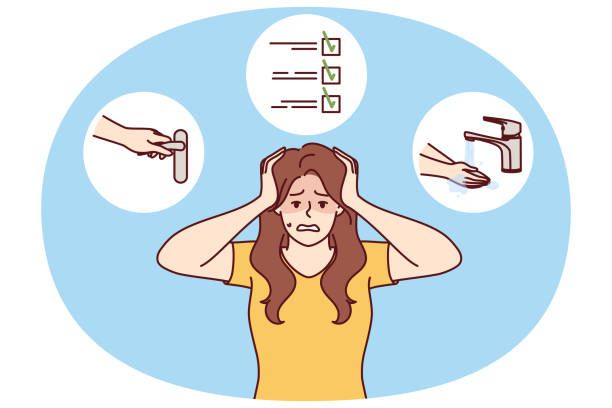
Cleaning OCD
Cleaning OCD in Calgary: When the Need for Cleanliness Becomes a Mental Health Disorder
Cleaning and organizing are healthy habits for many people living in Calgary. In a city where fast-paced urban life, shared spaces, and public transit are common, cleanliness can feel especially important.
However, for individuals struggling with Cleaning OCD in Calgary, the urge to clean is not about preference or hygiene—it is driven by intense anxiety and intrusive thoughts that feel impossible to ignore.
Cleaning OCD (contamination OCD) is a subtype of Obsessive-Compulsive Disorder where a person experiences persistent fears about germs, illness, contamination, or moral “uncleanliness,” followed by compulsive cleaning behaviours intended to reduce anxiety.
In Calgary OCD treatment clinics and therapy practices, this is one of the most commonly seen presentations of OCD.
What Is Cleaning OCD?
Cleaning OCD, also known as contamination OCD in Calgary clinical settings, involves:
* Intrusive thoughts about germs, dirt, viruses, toxins, or illness (common in urban environments like Calgary)
* Fear of spreading contamination to family, coworkers, or public spaces
* Intense discomfort when objects, surfaces, or homes feel “unclean”
* Repetitive cleaning, disinfecting, hand-washing, or showering
* Avoidance of public places such as public transit, hospitals, offices, or restaurants in Calgary due to perceived contamination
These behaviours are not about cleanliness preference. They are attempts to neutralize anxiety and prevent feared harm.
Common Symptoms of Cleaning OCD
People living with Cleaning OCD in Calgary or Alberta may experience:
* Washing hands dozens or hundreds of times per day
* Cleaning the same surface repeatedly in their home or condo until it “feels right”
* Excessive use of disinfectants, wipes, or cleaning chemicals
* Avoidance of public transit surfaces, doorknobs, money, or public bathrooms
* Frequent clothing changes due to feeling “contaminated”
* Seeking reassurance from family, partners, or therapists about germs or illness risk
* Skin irritation, bleeding, or infections from over-washing
In most cases, anxiety returns shortly after cleaning, reinforcing the OCD cycle.
Cleaning OCD vs Being “Neat” in Calgary Lifestyles
Many people in Calgary prefer clean homes, especially in shared apartments, condos, or urban environments. However, OCD is fundamentally different from cleanliness preference.
| Preference for Cleanliness | Cleaning OCD (Calgary OCD presentation) |
| -------------------------- | ---------------------------------------- |
| Cleaning feels satisfying | Cleaning feels urgent and anxiety-driven |
Can tolerate some mess Distress when cleanliness is uncertain
Stops when needed Feels unable to stop cleaning
No fear of catastrophe Fear of illness, harm, or contamination
The key distinction is fear and compulsivity, not preference.
The OCD Cycle in Cleaning Compulsions
Cleaning OCD typically follows a predictable reinforcement loop:
1. Intrusive Thought: “This surface in my Calgary apartment is contaminated.”
2. Anxiety: Fear of germs, illness, or spreading contamination
3. Compulsion: Washing, disinfecting, avoiding, or cleaning repeatedly
4. Temporary Relief: Anxiety drops briefly
5. Reinforcement: Brain learns cleaning = safety
6. Stronger OCD: Thoughts return more frequently and intensely
Without treatment, this cycle often worsens over time.
Effective Treatment for Cleaning OCD in Calgary
Exposure and Response Prevention (ERP) – Gold Standard OCD Treatment in Calgary
ERP is the most effective, evidence-based treatment used by OCD specialists in Calgary and across Alberta.
It involves:
* Gradually touching “feared” objects or tolerating perceived contamination (e.g., public transit surfaces, public door handles in Calgary)
* Resisting compulsive washing or disinfecting
* Allowing anxiety to rise and fall naturally without rituals
* Training the brain that harm does not occur without compulsions
ERP is widely used in Calgary OCD clinics and CBT-based therapy practices.
Acceptance and Commitment Therapy (ACT)
ACT is often combined with ERP in Calgary OCD treatment settings:
* Builds tolerance for uncertainty and discomfort
* Reduces the need to achieve “certainty of cleanliness”
* Helps clients act according to values (family, work, relationships in Calgary life) rather than fear
* Reduces fusion with intrusive contamination thoughts
Together, ERP and ACT help individuals regain control over daily functioning in Calgary urban environments.
When to Seek OCD Treatment in Calgary
You may benefit from OCD therapy in Calgary if:
* Cleaning rituals take up hours each day
* Anxiety dictates where you go (e.g., avoiding public transit, workplaces, restaurants in Calgary)
* You avoid social, work, or family activities
* Your skin health is affected by excessive washing
* Reassurance from others no longer helps
Working with an OCD-trained therapist in Calgary is essential. General anxiety counselling alone often unintentionally reinforces reassurance-seeking and avoidance patterns.
Final Thoughts: Recovery from Cleaning OCD in Calgary
Cleaning OCD is not about hygiene. It is about fear, uncertainty, and a brain stuck in a threat-response loop.
For individuals in Calgary and Alberta, evidence-based treatment such as ERP and ACT available through OCD specialists can significantly reduce symptoms and restore quality of life.
Recovery does not mean achieving perfect cleanliness in your Calgary home or environment.
It means learning that you can live fully in Calgary—even when your mind tells you things are not clean enough.